
Chiến lược tổng thể cho kỳ thi CBAP
Thông số đề thi
| Thông số | Chi tiết |
|---|---|
| Số câu | 120 câu multiple choice |
| Thời gian | 210 phút (3.5 giờ) |
| Thời gian/câu | ~1.75 phút/câu |
| Dạng câu | Case study + Scenario-based |
| Pass/Fail | Không công bố điểm, chỉ Pass/Fail |
| Mức tư duy | Analysis & Synthesis (Bloom's higher levels) |
So sánh với CCBA
| Aspect | CCBA | CBAP |
|---|---|---|
| Số câu | 130 | 120 |
| Thời gian | 3h (1.4 min/câu) | 3.5h (1.75 min/câu) |
| Dạng câu | Scenario | Case study + Scenario |
| Tư duy | Application | Analysis & Synthesis |
| Câu hỏi | "BA nên làm gì?" | "Tại sao? Trade-offs?" |
| Trick level | Medium | High |
Phân bổ thời gian
Kỹ thuật giải Case Study
Case Study vs Scenario
Framework giải Case Study: SPEAR
Step-by-step Case Study Approach
Step 1: Quick Scan (30 giây)
- Đọc lướt case study → nắm context tổng thể
- Identify: Industry? Organization size? Current situation?
Step 2: Read Questions First (15 giây/câu)
- Đọc TẤT CẢ câu hỏi liên quan đến case study
- Biết cần tìm thông tin gì
Step 3: Deep Read (60 giây)
- Đọc kỹ case study với lens từ câu hỏi
- Highlight keywords: stakeholders, problems, constraints, objectives
Step 4: Answer (30 giây/câu)
- Match evidence từ case study → answer options
- Eliminate wrong answers first
Case Study Ví dụ
Case Study: TechFlow Solutions
TechFlow Solutions là công ty SaaS với 500 nhân viên, cung cấp HR management platform cho 2,000 khách hàng SMB. Revenue $50M/năm, tăng trưởng 15% YoY.
Gần đây, churn rate tăng từ 5% lên 12%. Customer surveys cho thấy: (1) UI cũ kỹ, (2) thiếu mobile app, (3) reporting hạn chế. Competitor mới ra mắt product với AI-powered analytics.
CEO muốn "digital transformation" nhưng CTO lo ngại vì technical debt lớn — 60% codebase là monolith 8 năm tuổi. CFO muốn giữ EBITDA margin >20%.
BA team gồm 3 người, đang dùng predictive approach. Development team 30 engineers, mới bắt đầu học Agile.
Câu 1 (Strategy Analysis):
Với current state trên, điều gì BA nên analyze FIRST?
A. Competitor product features
B. Root cause analysis — tại sao churn tăng, beyond survey results ✅
C. Technology options for modernization
D. Budget for digital transformation
Giải thích: Trước khi jump vào solutions, BA cần understand DEEP root cause. Survey cho 3 reasons nhưng đó là symptoms. Root cause có thể deeper — ví dụ: product-market fit shift, onboarding issues, competitor pricing...
Câu 2 (BAPM):
Team đang dùng predictive approach, dev team mới bắt đầu Agile. BA approach nào phù hợp?
A. Full Agile ngay
B. Giữ predictive
C. Hybrid: predictive cho strategy/planning, adaptive cho feature delivery ✅
D. Agile cho features mới, predictive cho legacy
Giải thích: Team chưa mature trong Agile → full Agile rủi ro cao. Nhưng predictive không phù hợp cho market đang thay đổi nhanh. Hybrid balance cả hai.
Câu 3 (RADD):
CFO yêu cầu "giữ EBITDA >20%". Constraint này ảnh hưởng đến RADD như thế nào?
A. Không ảnh hưởng — RADD chỉ về requirements
B. Ảnh hưởng solution scope & design options — phải optimize cost ✅
C. Chỉ ảnh hưởng Strategy Analysis
D. Ảnh hưởng prioritization only
Câu 4 (Solution Evaluation):
Sau 12 tháng, churn giảm từ 12% xuống 8% (target 5%), mobile app adoption 60%, NPS tăng từ 30 lên 55. BA nên:
A. Report failure
B. Report success
C. Report mixed results: trend positive, analyze remaining gap, recommend next actions ✅
D. Request more budget
CBAP-specific Question Patterns
Pattern 1: "BEST" questions (Analysis level)
"What is the BEST approach for BA in this situation?"
Trick: Tất cả 4 options đều "đúng" ở một mức nào đó. Cần chọn most comprehensive và most strategic answer.
Pattern 2: "WHY" questions (Synthesis level)
"Why should BA choose approach X over approach Y?"
Trick: Test khả năng giải thích rationale, không chỉ biết answer.
Pattern 3: "PRIORITY" questions (Evaluation level)
"Given limited resources, which should BA prioritize?"
Trick: Test khả năng evaluate trade-offs và make value-based decisions.
Pattern 4: Hidden Information questions
Case study mention "team mới bắt đầu Agile" → Don't choose option requiring mature Agile practice
Trick: Thông tin quan trọng thường embedded trong case study, không highlight.
Elimination Strategies — CBAP Level
CBAP Green Flags ✅
- "Analyze first, then recommend"
- "Facilitate stakeholder consensus"
- "Assess impact across enterprise"
- "Consider trade-offs"
- "Present options with evidence"
- "Strategic alignment check"
- "Value-based prioritization"
- "Root cause, not symptoms"
Đề thi thử nâng cao — 10 câu Case Study
Case Study: Global Manufacturing Corp (GMC)
GMC sản xuất electronics, 10,000 nhân viên, 5 nhà máy ở 3 quốc gia. Revenue $2B. Đang dùng SAP ERP (on-premise, version cũ), Excel-based reporting. Mỗi nhà máy có quy trình riêng cho cùng một business function. IT department 200 người, skill gap trong cloud & modern technologies. Board approved $50M cho "Industry 4.0" initiative.
Câu 1: BA approach nào phù hợp cho initiative này?
A. Pure Agile with 2-week sprints
B. Pure Waterfall with detailed BRD
C. Hybrid: Predictive for enterprise architecture, Adaptive for component delivery ✅
D. Let each factory choose own approach
Câu 2: Perspective nào BA nên áp dụng PRIMARY?
A. Agile Perspective
B. IT Perspective
C. BPM Perspective
D. Business Architecture Perspective ✅
Câu 3: "Mỗi nhà máy có quy trình riêng" — đây là dạng limitation gì?
A. Solution limitation
B. Enterprise limitation — organizational silos ✅
C. Technology limitation
D. Resource limitation
Câu 4: Với $50M budget, BA nên recommend cách nào?
A. Replace entire SAP
B. Keep SAP, add IoT layer
C. Phase 1: Standardize processes + Cloud migration. Phase 2: IoT + Analytics ✅
D. Buy new modern ERP
Câu 5: Skill gap trong IT là risk. Response strategy nào phù hợp?
A. Mitigate: Training program + strategic hiring + partner with consulting firm ✅
B. Accept: Use current team as-is
C. Transfer: Outsource 100% to vendor
D. Avoid: Don't adopt cloud
Câu 6: Traceability challenge khi 5 factories, 3 countries. BA nên:
A. Separate traceability per factory
B. Enterprise-wide traceability matrix linking business objectives → capabilities → requirements → tests across all factories ✅
C. Let each factory manage own
D. Only trace at business objective level
Câu 7: CFO hỏi "ROI khi nào đạt?" — BA cần analysis gì?
A. Simple ROI calculation
B. NPV analysis with phased cash flows, sensitivity analysis for key assumptions ✅
C. Payback period only
D. Compare with industry benchmarks
Câu 8: Sau Phase 1 complete, adoption ở 3 factories cao (80%+) nhưng 2 factories ở quốc gia khác chỉ 30%. BA nên:
A. Force adoption
B. Skip low-adoption factories
C. Assess root cause: culture? language? training? local regulations? ✅
D. Extend timeline
Câu 9: Board muốn add AI/ML component nhưng current data quality poor. BA nên:
A. Start AI/ML project anyway
B. Recommend data governance program as prerequisite, then AI/ML ✅
C. Buy AI/ML tool immediate
D. Reject AI/ML idea
Câu 10: Measure "Industry 4.0" success — KPIs nào comprehensive nhất?
A. ROI and cost savings only
B. OEE (Overall Equipment Effectiveness) only
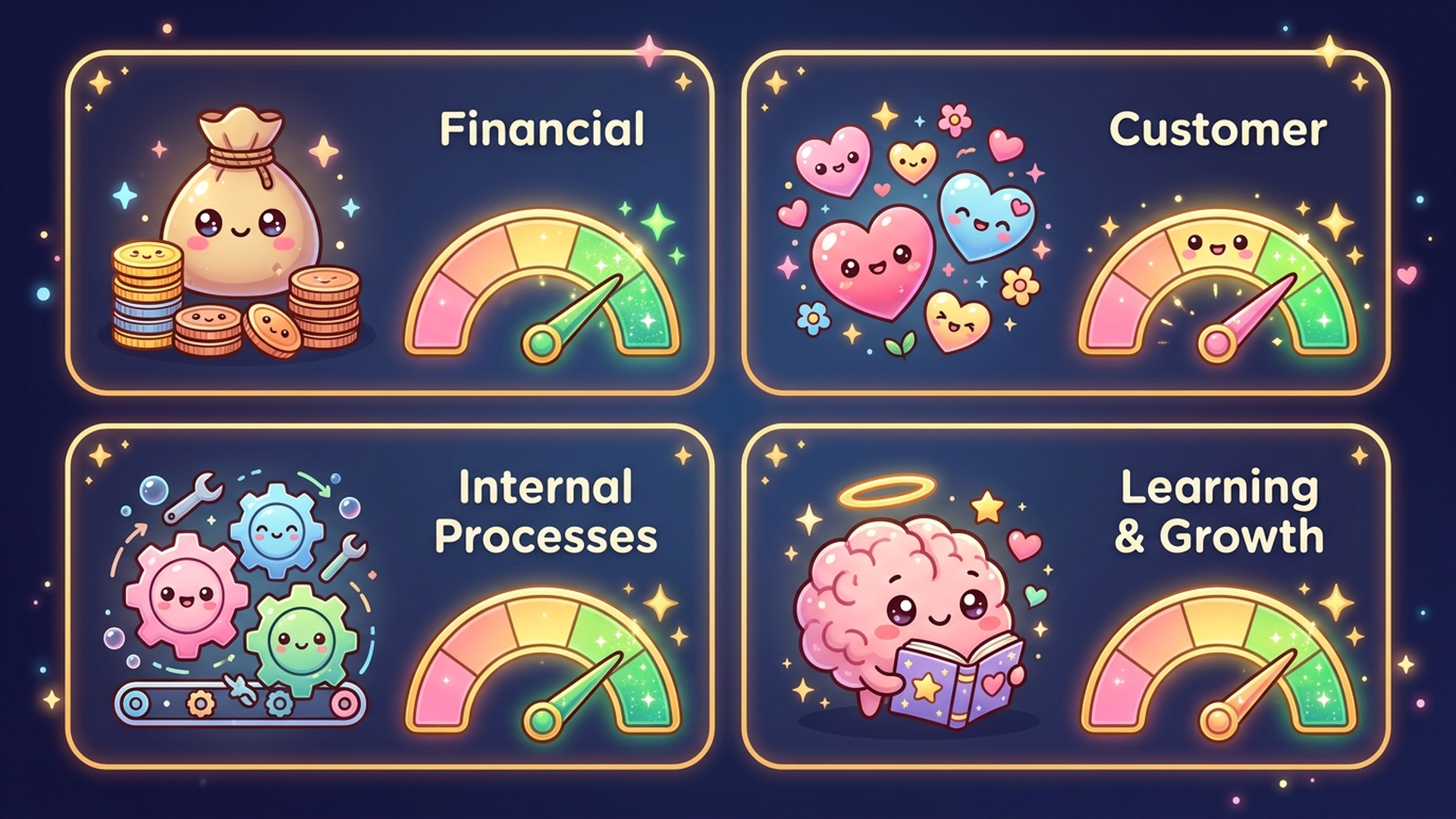
C. Balanced Scorecard: Financial (ROI), Process (OEE), Customer (quality), Learning (adoption, skill development) ✅
D. Employee satisfaction survey
15 Tips vàng cho CBAP
- Đọc BABOK 2+ lần — không có shortcut
- Hiểu WHY, không chỉ WHAT — CBAP test reasoning
- Case study: context is king — mọi thông tin đều có ý nghĩa
- Root cause over symptoms — always dig deeper
- BA facilitates, doesn't decide — even at senior level
- Enterprise thinking — beyond project scope
- Trade-offs are expected — no perfect answer
- "Do Nothing" is valid — always consider status quo
- Financial analysis matters — NPV, ROI, Payback
- Perspectives guide approach — match perspective to context
- Verify ≠ Validate — know the difference cold
- Solution vs Enterprise limitations — critical distinction
- Change management awareness — BA isn't Change Manager
- Traceability end-to-end — BR → SR → FR → TC
- Practice with case studies — not just individual questions
Checklist trước ngày thi
- Đọc BABOK Guide v3 ít nhất 2 lần
- Hoàn thành 12 bài trong series này
- Làm ít nhất 3 bộ đề thử đầy đủ (120 câu)
- Đạt >75% consistently trong practice exams
- Nắm vững 5 Perspectives và khi nào apply
- Hiểu 30 Tasks: Input → Task → Output
- Thành thạo 50 Techniques theo context
- Có thể giải thích WHY cho mọi answer
- "Case study mindset" → tìm hidden information
- Kiểm tra logistics (online procs / test center)
- Ngủ đủ giấc, tinh thần thoải mái
📝 Tóm tắt kiến thức nổi bật
- 120 câu / 3.5 giờ → ~1.75 phút/câu. Time management là critical skill
- Case Study format: Đọc scenario → xác định KA → áp dụng concept → chọn đáp án best
- Eliminate distractors: Loại 2 đáp án sai rõ → focus 2 còn lại → chọn MOST appropriate
- Keyword spotting: "FIRST," "BEST," "MOST likely," "NEXT step" → mỗi keyword đòi hỏi tư duy khác
- KA Distribution: RADD 30% > Strategy Analysis 19% > BA Planning 14% = SE 14% > Elicitation 12% > RLM 11%
- Common traps: Over-reading scenarios, rushing through case studies, changing answers without reason
- Day-of strategy: Chia 120 câu thành 4 blocks × 30 câu, review flagged câu cuối mỗi block
- Master cả 5 Perspectives — câu hỏi có thể kết hợp perspective với KA bất kỳ
📋 Bài kiểm tra trắc nghiệm — Bài 12
Làm 10 câu bên dưới trong 17 phút. Đây là câu hỏi tổng hợp cross-KA, simulation đề thi thật.
Câu 1. Case Study: Large bank wants to replace core banking system. 200 stakeholders across 8 departments. BA's FIRST step:
- A. Start writing requirements immediately
- B. Plan BA approach — identify stakeholders, define governance, select elicitation strategy, plan communication
- C. Build prototype
- D. Conduct user acceptance testing
Câu 2. During elicitation workshop, VP of Sales and VP of Operations have conflicting requirements about order priority logic. BA's BEST response:
- A. Choose the VP with higher authority
- B. Document both perspectives, facilitate analysis of business impact of each approach, escalate with data-driven recommendation if unresolved
- C. Postpone indefinitely
- D. Average both requirements
Câu 3. BA discovers approved requirement "System must process 1000 orders/second" contradicts infrastructure constraint of max 500/second. NEXT step:
- A. Ignore constraint
- B. Raise to stakeholders — present gap, evaluate options (infrastructure upgrade, requirement revision, phased approach), get decision with impact analysis
- C. Delete requirement
- D. Change infrastructure without approval
Câu 4. Post-implementation: Solution meets all functional requirements but users report 40% adoption rate. Root cause analysis reveals poor change management. This is:
- A. Solution limitation
- B. Enterprise limitation — organizational readiness and change management failure
- C. Vendor problem
- D. Technical defect
Câu 5. Project uses Agile + BI perspectives. Sprint 5 review reveals analytics dashboard shows wrong calculations. BA should:
- A. Fix in next release
- B. Prioritize as high-severity defect — analytics errors destroy trust in BI solutions, impacting decision-making across organization
- C. Add to backlog bottom
- D. Ignore — cosmetic issue
Câu 6. Strategy Analysis: Business case shows NPV = $5M but requires organizational restructuring. 3 department heads resist. BEST approach:
- A. Force restructuring — NPV justifies it
- B. Address resistance through stakeholder engagement, present benefits per department, develop transition plan with support, consider phased approach to reduce disruption
- C. Cancel project
- D. Skip restructuring
Câu 7. RADD: BA created comprehensive requirements package (150 requirements, 20 models). Stakeholder says "I need to see the big picture, not details." BA should:
- A. Send all 150 requirements
- B. Create executive-level Requirements Architecture view — high-level groupings, key dependencies, traceability to business objectives
- C. Remove details
- D. Schedule 4-hour review meeting
Câu 8. Exam technique: Question stem says "MOST likely reason the project failed." 2 plausible answers: (A) Poor requirements validation, (C) Insufficient stakeholder engagement. How to decide:
- A. Always choose (A)
- B. Re-read scenario for clues — look for keywords about stakeholder involvement vs requirement quality. Choose the option MOST directly supported by scenario facts
- C. Choose randomly
- D. Skip question
Câu 9. BA Planning: Enterprise has 50 BA practitioners. Senior management asks BA to establish BA Center of Excellence (CoE). FIRST deliverable:
- A. Training schedule
- B. BA Standards and Governance Framework — define methodology, templates, quality standards, roles, and escalation paths
- C. Tool selection
- D. Hiring plan
Câu 10. Requirements Lifecycle: Requirement approved 2 years ago. Business environment changed. Requirement still in baseline. BA discovers it's no longer relevant. BEST action:
- A. Leave it — it's approved
- B. Initiate requirement retirement — document rationale, assess impact on dependent requirements, get stakeholder approval, update baseline
- C. Delete without notice
- D. Mark as low priority
🔑 Đáp án & Giải thích
| Câu | Đáp án | Giải thích |
|---|---|---|
| 1 | B | BA Planning always FIRST — plan approach before executing. |
| 2 | B | Document, analyze impact, facilitate — don't pick sides without data. |
| 3 | B | Gap between requirement and constraint → escalate with options and impact analysis. |
| 4 | B | Users not adopting = enterprise limitation (change management), not solution defect. |
| 5 | B | BI analytics errors = high severity — wrong data → wrong decisions → enterprise impact. |
| 6 | B | Change resistance requires stakeholder engagement, not force. Phased approach reduces risk. |
| 7 | B | Adapt communication level — executives need architecture view, not details. |
| 8 | B | Exam technique: re-read scenario, find supporting evidence, choose MOST supported answer. |
| 9 | B | CoE FIRST needs governance and standards framework — foundation for everything else. |
| 10 | B | Proper requirement retirement: document, impact assess, approve, update baseline. |
📊 Thang đánh giá
| Số câu đúng | Đánh giá | Hành động |
|---|---|---|
| 9-10 | ⭐ Xuất sắc | Sẵn sàng thi CBAP! Cross-KA thinking vững! |
| 7-8 | ✅ Tốt | Ôn lại 1 vòng KA yếu nhất |
| 5-6 | ⚠️ Trung bình | Cần thêm practice — focus elimination technique |
| < 5 | ❌ Cần ôn lại | Quay lại review từ bài 1-11 trước khi thi |
Nếu bạn đã hoàn thành toàn bộ 12 bài, đọc BABOK 2 lần, làm đề thử đạt >75%, và hiểu được WHY đằng sau mỗi đáp án — bạn hoàn toàn có thể pass CBAP!
CBAP không chỉ là chứng chỉ — nó chứng minh bạn có khả năng tư duy chiến lược, phân tích toàn diện, và tạo ra giá trị doanh nghiệp. 👑
Chúc bạn chinh phục CBAP thành công! 👑🏆